

Apple Business Connect -integroinnin julkistaminen
Lue lisää →.jpg)
Small businesses often struggle with limited budgets and resources regarding marketing. While large-scale marketing campaigns may seem out of reach, numerous cost-effective ways exist to promote and market your small business.
Small business owners can maximize their marketing efforts without breaking the bank by leveraging targeted techniques, focusing on local search marketing, and utilizing digital platforms.
This article will explore several cost-effective strategies for marketing your small business, providing you with actionable tips and insights to enhance your brand visibility, attract customers, and achieve sustainable growth.
Many cost-effective marketing strategies can help you reach your target audience without breaking the bank. For example, one small business in the food industry started a social media campaign showcasing its unique menu items and offering a discount for customers who shared their posts. This led to increased engagement and foot traffic to their restaurant.
Another small business in the health and wellness industry partnered with local gyms to offer discounted services to members. This brought in new customers and helped build relationships with other businesses in the community.
A third small business in the retail industry created a referral program where customers could earn discounts by referring their friends and family to the store. This incentivized word-of-mouth marketing and led to increased sales and customer loyalty.
By implementing these cost-effective marketing strategies, small businesses can effectively reach their target audience and grow their customer base without breaking the bank.
Before implementing any marketing strategies, developing a comprehensive marketing plan is essential. Define your target audience, set specific goals, and outline your strategies and tactics to reach your audience effectively. A well-thought-out marketing plan helps you stay focused, allocate resources efficiently, and measure the success of your efforts.
Content marketing is a cost-effective strategy that allows small businesses to build their brand authority and engage with their target audience. Create valuable and relevant content such as blog posts, articles, and videos that address your customers' pain points and interests. Share this content on your website, social media channels, and industry-specific platforms to establish yourself as a trusted resource and attract potential customers.
Social media platforms and online directories provide excellent opportunities for small businesses to connect with their target audience, increase brand awareness, and drive customer engagement. Select the platforms that align with your audience demographics and industry, and consistently share engaging content, industry news, and promotions. Interact with your followers, respond to their comments and messages promptly, and utilize social media advertising options to reach a wider audience effectively.
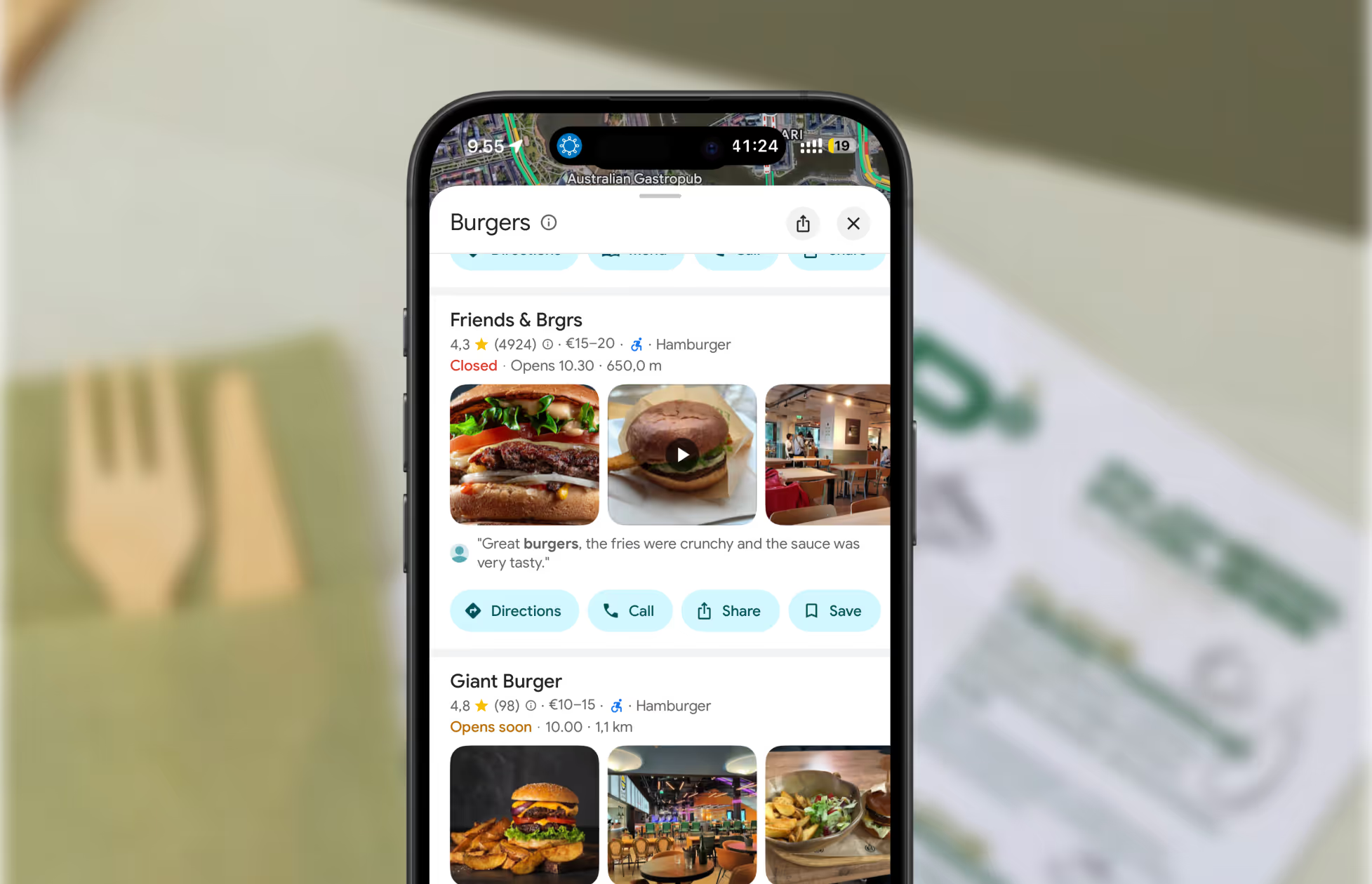
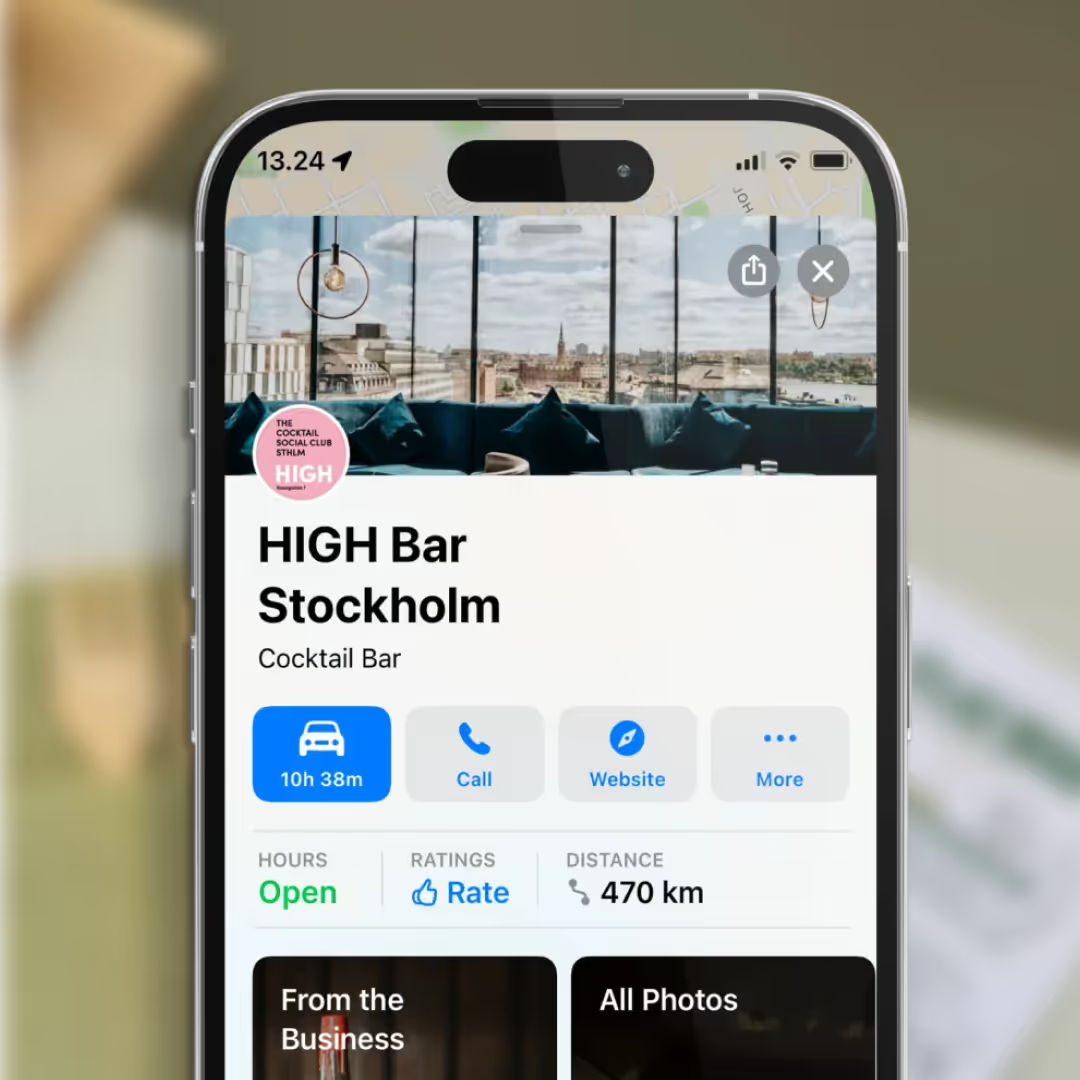
Local search marketing is crucial for small businesses targeting a specific geographic area. Optimize your website for local search by incorporating location-specific keywords in your website content, meta tags, and headings. Claim and optimize your business listings on platforms like Google Business, Apple Business Connect, Yelp, and local directories to improve your visibility in local search results.
Email marketing remains one of the most cost-effective ways to reach and engage your customer base. Build an email list by offering incentives or exclusive content, and send regular newsletters, promotions, and updates to your subscribers. Personalize your emails and segment your audience to ensure your messages are relevant and drive customer engagement.
Partnering with local influencers or complementary businesses can significantly expand your reach and attract new customers. Identify influencers or businesses with a similar target audience and collaborate on joint marketing campaigns, cross-promotions, or content collaborations. These partnerships allow you to tap into their existing customer base and gain valuable exposure.
Restaurants already trust Mobal to keep their listings accurate across Google and Apple. The website was the one part of their online presence still managed separately, with a different tool and a different login. Now it's part of the same system.
Every hour your site shows the wrong hours or an old menu is an hour a customer can be misled or turned away. And every evening spent editing a website is an evening away from the kitchen. Restaurant Websites removes both.
Customers can buy gift cards directly on the site and book a table through an added widget like TableOnline. An ordering button links out to your provider, such as Wolt. Your location details, menu, hours, and special hours stay in sync with your Google and Apple listings.
Choose from eight supported languages (English, Finnish, Swedish, Estonian, Russian, French, Spanish, and German) at launch and add translated versions of your site with a few clicks. More languages on request.
Restaurant Websites gives you a strong base built specifically for restaurants: the pages, layouts, and search foundations designed to help guests find and use your site. You can apply your own branding, colours, images, and pages on top.
Yes. You hand over your domain and keep it.
€29 per website per month, as an add-on. You can build and preview a site free in the demo before committing.



.webp)
.avif)




.webp)

.svg)
