

Apple Business Connecti integreerimise väljakuulutamine
Lisateave →
Local SEO has shifted dramatically in the past two years. Where once it was about ranking in the “map pack,” today it’s about earning trust in an AI-driven discovery ecosystem. Google’s Search Generative Experience (SGE), AI assistants, and shifting consumer expectations are rewriting the rules of visibility.
The following 10 statistics (plus one bonus insight) highlight what matters most in 2026, and where forward-looking businesses should focus their local strategy.
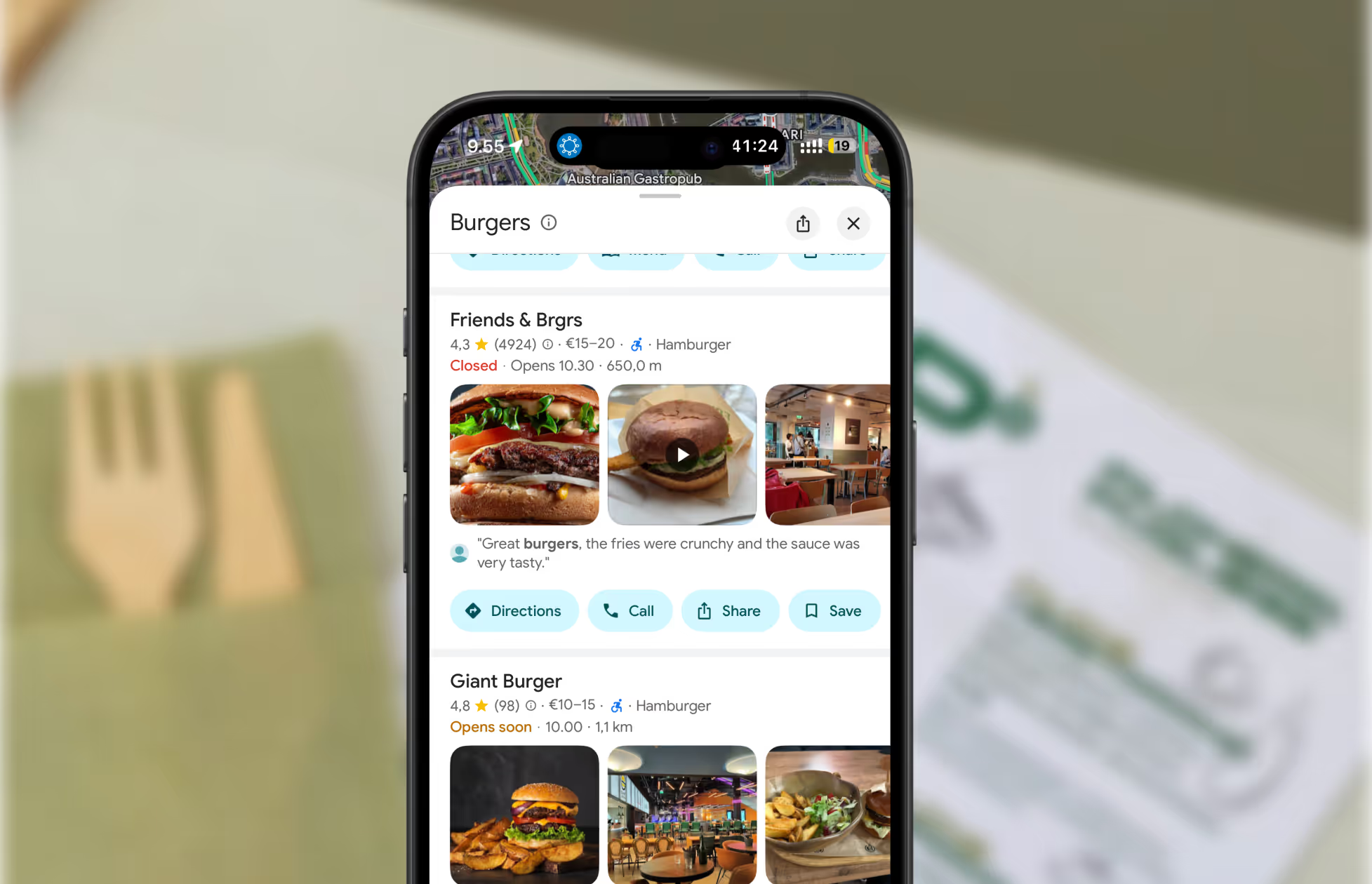
Local discovery is everywhere. Nearly half of Google’s search traffic is tied to finding places nearby, services in the moment, or businesses within reach (BrightLocal, 2025). If you’re not optimized for local, you’re effectively invisible to almost half of potential demand.
Google’s AI Overviews have doubled in presence within months — from 6.5% in January 2025 to 13.1% in March 2025 (Birdeye, 2025). For local queries, this means fewer results shown up front. Visibility is narrowing. Winning a spot in AI-driven summaries is fast becoming as critical as ranking in the local map pack.
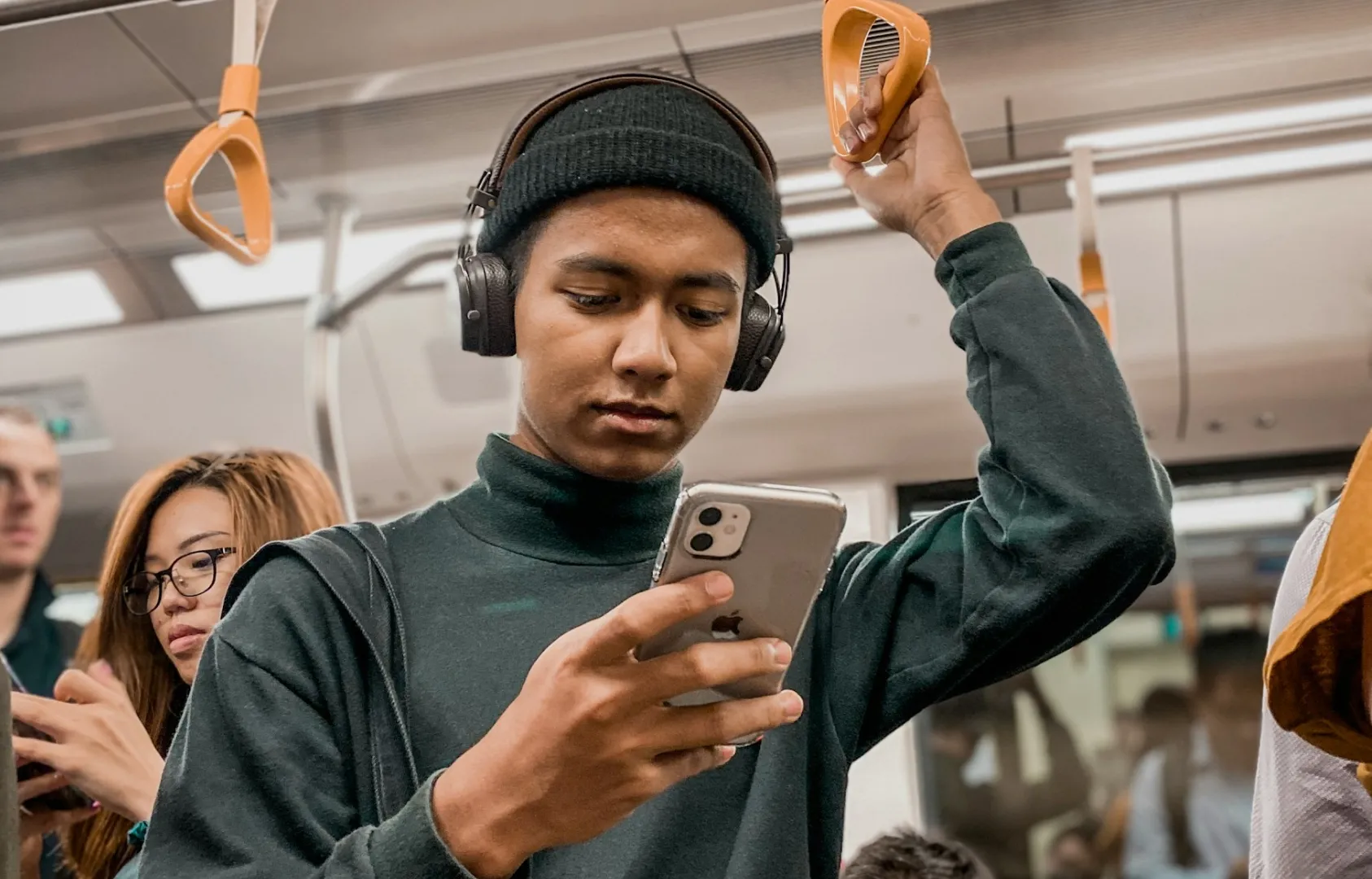
Birdeye research shows AI assistants — from Google’s “Ask for Me” to independent chatbots — are handling ~3% of searches today (Birdeye, 2025). That number is expected to climb steeply. The first touch is shifting from browser-based search to conversational AI. Businesses must ensure structured, accurate data so these assistants pull the right information.
According to Business Wire’s 2025 consumer study, accuracy is non-negotiable. Customers expect business hours, menus, and locations to be correct everywhere they search (Business Wire, 2025). A single wrong time or outdated address can fracture credibility.
It’s important to keep your profile updated so customers have the most accurate and up-to-date information. Restaurants that actively maintain this information get 89% more calls, website visits, and direction requests — and 79% more reviews — according to data from Mobal.io.
This isn’t a nice-to-have. It’s measurable growth tied directly to active maintenance.
Restaurants already trust Mobal to keep their listings accurate across Google and Apple. The website was the one part of their online presence still managed separately, with a different tool and a different login. Now it's part of the same system.
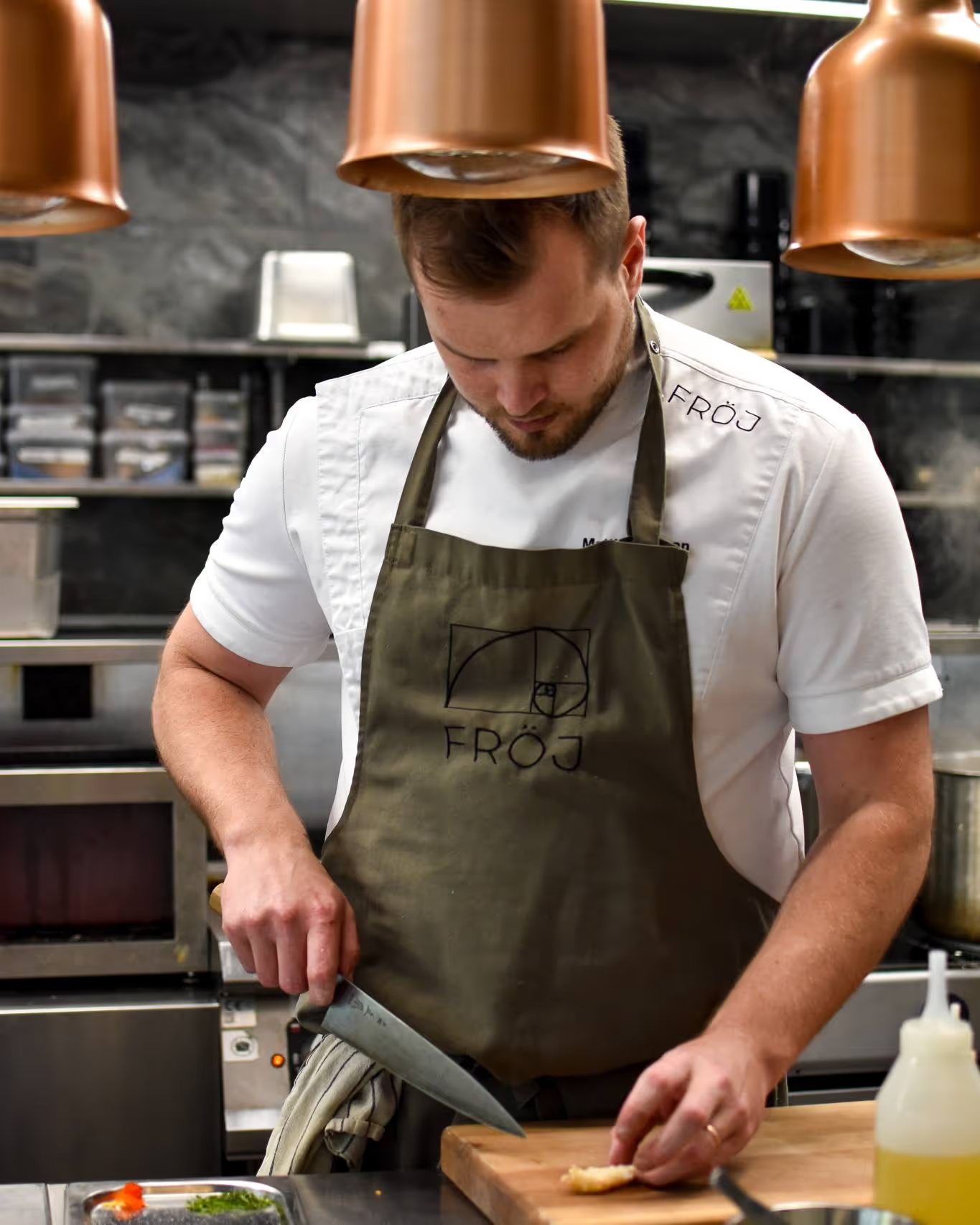
Every hour your site shows the wrong hours or an old menu is an hour a customer can be misled or turned away. And every evening spent editing a website is an evening away from the kitchen. Restaurant Websites removes both.
Customers can buy gift cards directly on the site and book a table through an added widget like TableOnline. An ordering button links out to your provider, such as Wolt. Your location details, menu, hours, and special hours stay in sync with your Google and Apple listings.
Choose from eight supported languages (English, Finnish, Swedish, Estonian, Russian, French, Spanish, and German) at launch and add translated versions of your site with a few clicks. More languages on request.
Restaurant Websites gives you a strong base built specifically for restaurants: the pages, layouts, and search foundations designed to help guests find and use your site. You can apply your own branding, colours, images, and pages on top.
Yes. You hand over your domain and keep it.
€29 per website per month, as an add-on. You can build and preview a site free in the demo before committing.

.webp)
.avif)



.webp)

.svg)
