

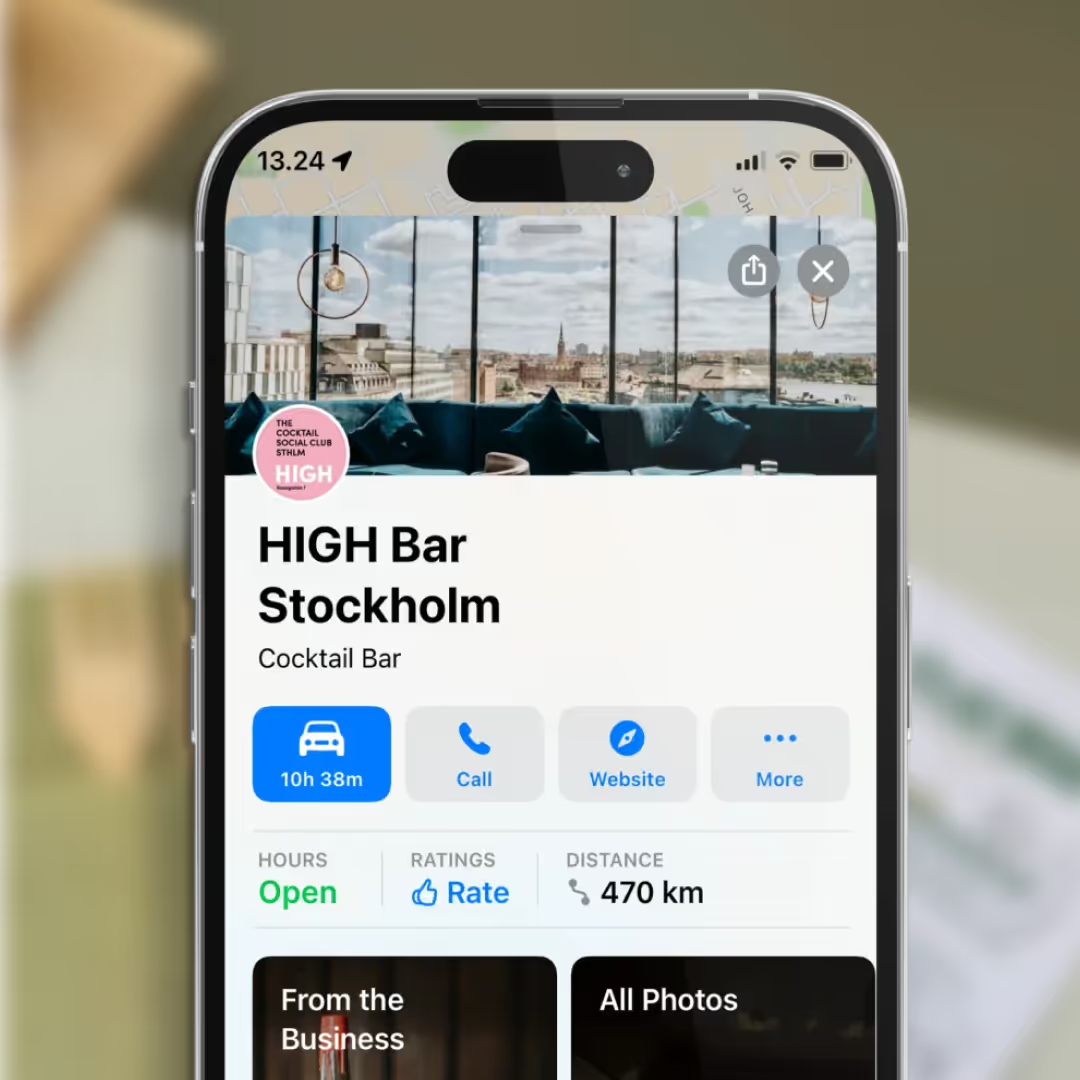
Announcing Apple Business Connect Integration
Learn more →
As 2026 approaches, Nordic restaurants face a pivotal moment: technology and hospitality are converging, and the winners will be those who take control of the guest relationship. Teemu Karenius, CEO at Yonoton, believes the path forward is clear—restaurants must unify their digital operations and put guest data at the heart of their strategy.
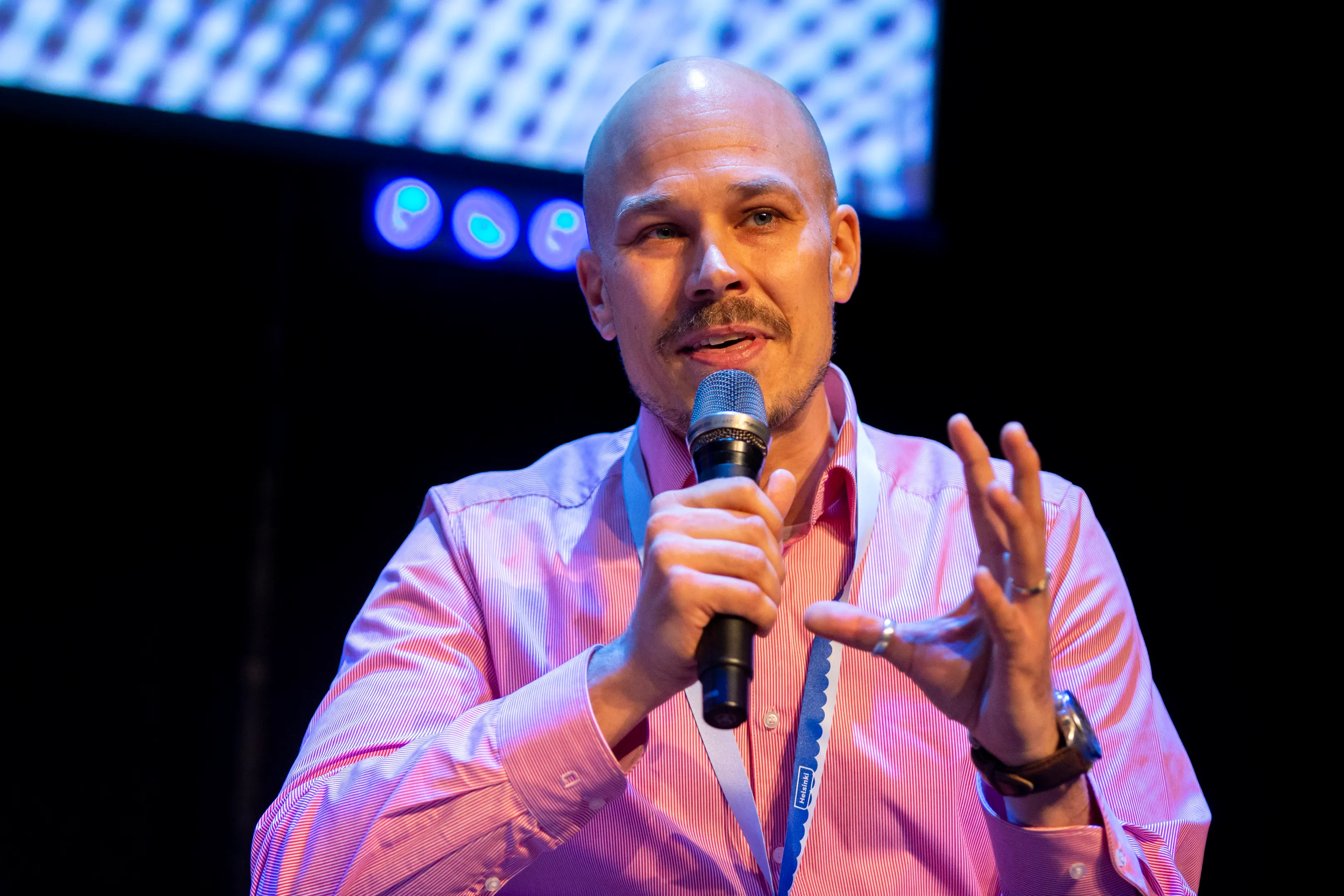
For Nordic restaurants, 2026 marks a turning point where technology and hospitality are more intertwined than ever. According to Teemu Karenius, CEO at Yonoton, the biggest opportunity is clear: “Owning the customer relationship through unified omnichannel platforms will define the winners in this industry.”
“Owning the customer relationship through unified omnichannel platforms will define the winners in this industry.”
For years, many restaurants have relied on a patchwork of disconnected systems, one for ordering, another for payments, a third for loyalty. Karenius sees this era ending fast. “Restaurants can now integrate ordering, payments, and loyalty across all guest touchpoints. This isn’t just about reducing reliance on third parties, it’s about unlocking valuable data and creating a seamless experience for both guests and staff. Unified platforms are the backbone of modern hospitality.”
The message is clear: integration isn’t just a tech upgrade, it’s a strategic shift that allows operators to truly understand and serve their guests.
Labor shortages continue to challenge restaurant operators across the Nordics. Karenius argues that automation is now essential, not optional. “Automation and omnichannel ordering streamline service, cut wait times, and optimize staffing. Operators gain real-time insights, while guests enjoy faster, smoother, and more flexible experiences. Automating all relevant parts of the restaurant process is essential in today’s environment.”
By automating routine processes, restaurants can do more with less—improving efficiency while maintaining a high standard of service.
The modern guest expects every interaction to be effortless and tailored. Karenius highlights that, “Today’s guests want seamless ordering, multiple payment options, and loyalty that feels personal. Consistency across channels and smarter use of data are what set leading restaurants apart. It’s about making every interaction effortless and tailored.”
Restaurants that deliver on these expectations will earn loyalty and stand out in a crowded market.
One of the biggest risks in adopting new technology is doing so in isolation. Karenius warns, “Adopting tech in silos creates extra work, poor data flow, and guest frustration. The key is integration—making sure systems talk to each other and that staff are trained and empowered to use them. It’s also vital to help staff understand why new technology matters and how it benefits everyone.”
The takeaway: Choose solutions that work together, and invest in training so your team can make the most of them.
“Adopting tech in silos creates extra work, poor data flow, and guest frustration. The key is integration—making sure systems talk to each other and that staff are trained and empowered to use them. It’s also vital to help staff understand why new technology matters and how it benefits everyone.”
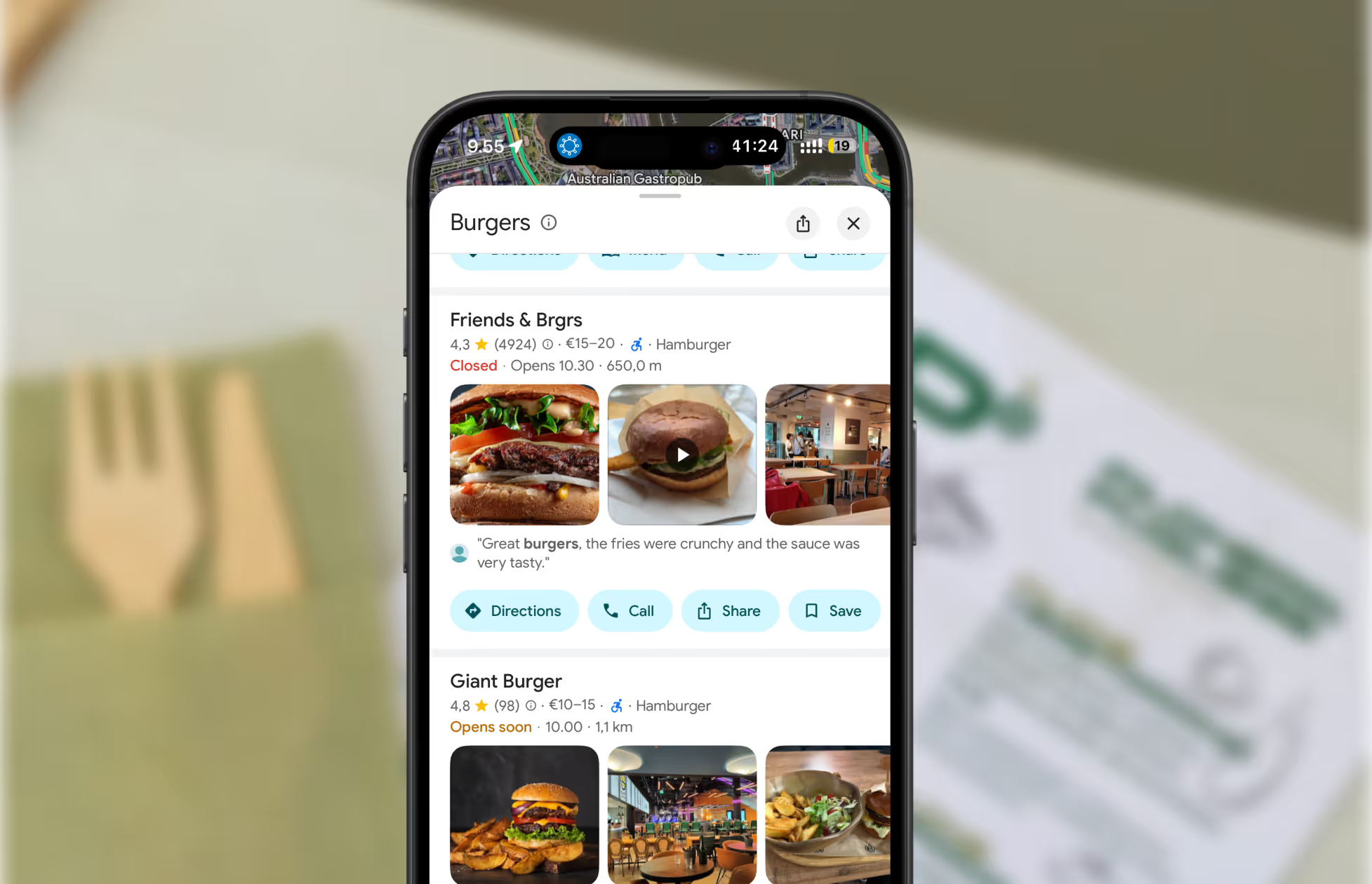
Restaurants already trust Mobal to keep their listings accurate across Google and Apple. The website was the one part of their online presence still managed separately, with a different tool and a different login. Now it's part of the same system.
Every hour your site shows the wrong hours or an old menu is an hour a customer can be misled or turned away. And every evening spent editing a website is an evening away from the kitchen. Restaurant Websites removes both.
Customers can buy gift cards directly on the site and book a table through an added widget like TableOnline. An ordering button links out to your provider, such as Wolt. Your location details, menu, hours, and special hours stay in sync with your Google and Apple listings.
Choose from eight supported languages (English, Finnish, Swedish, Estonian, Russian, French, Spanish, and German) at launch and add translated versions of your site with a few clicks. More languages on request.
Restaurant Websites gives you a strong base built specifically for restaurants: the pages, layouts, and search foundations designed to help guests find and use your site. You can apply your own branding, colours, images, and pages on top.
Yes. You hand over your domain and keep it.
€29 per website per month, as an add-on. You can build and preview a site free in the demo before committing.

.webp)
.avif)



.webp)
.svg)
